
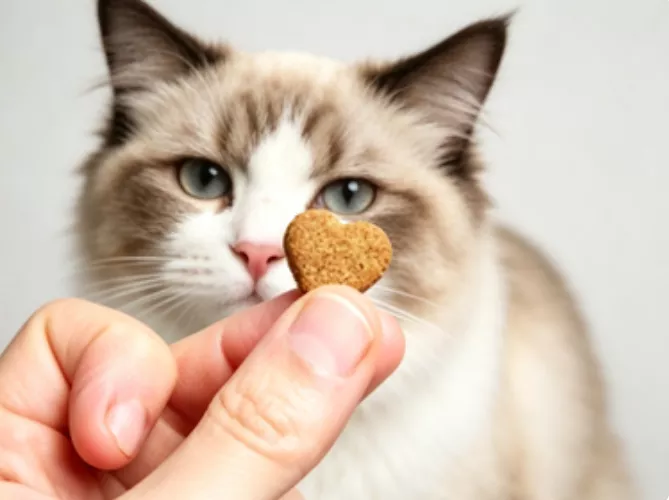
Many cat owners wonder: My cat’s already eating complete and balanced commercial cat food—does it really need supplements?
Some folks give their cats fish oil, lecithin, and vitamins every single day. Others figure a natural diet is plenty. And some worry that skipping supplements might lead to deficiencies, while adding too many could cause harm.
The truth is, there’s no simple yes-or-no answer. It depends on your cat’s breed, age, lifestyle, and health.
Healthy adult cats often don’t need any supplements long-term. But even with a solid diet, some cats can still have hidden nutritional gaps.
PetEvia breaks this down from many angles—feline nutrition science, body differences, daily habits, recovery from illness, and the different types of supplements.
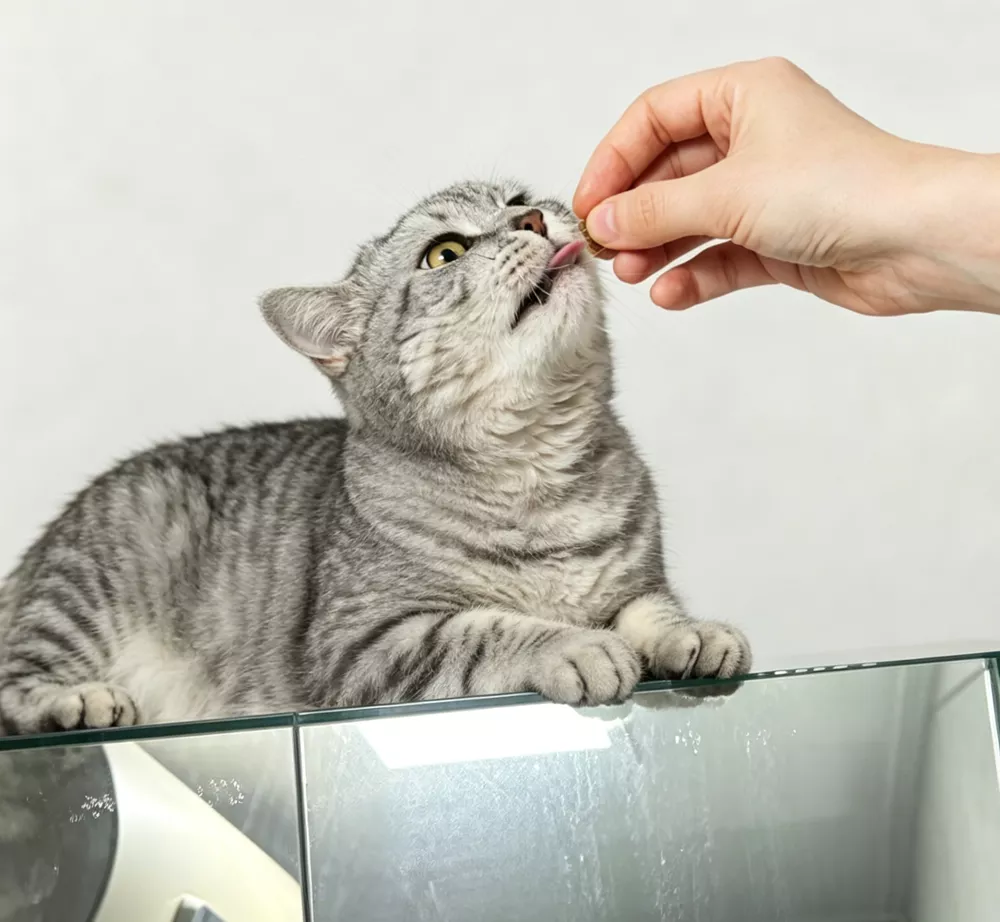
Cat Nutritional Needs vs. Natural Diet
Cats are true carnivores. In the wild, they thrive on high protein, moderate fat, and very few carbs. If your cat eats a good balanced commercial food, it’s already fortified with everything needed, so most cats won’t require extras. But supplements can help in these cases:
- Special life stages: kittens, pregnant or nursing moms, senior cats
- Health challenges: recovering from surgery, injury, or illness
- Limited diets: homemade meals or picky eaters
- Indoor-only life: little exercise or sunlight (which can mean low vitamin D)
When cats usually don’t need supplements
If your cat checks all these boxes, extra supplements usually won’t add much benefit:
- Adult (1–7 years old)
- Healthy with no ongoing issues
- Eating complete and balanced main meals long-term
- Good body condition
- Happy and energetic
- Normal poop
Typical complete nutrition includes:
| Nutrient Category | Function |
|---|---|
| Animal protein | Muscle, immunity |
| Taurine | Heart, vision |
| Fatty acids | Skin and coat |
| Vitamins | Metabolic support |
| Minerals | Bones and nerves |
| Amino acids | Growth and repair |
Adding more on top can sometimes backfire—like too much vitamin A risking toxicity, extra calcium messing with bone balance, or fish oil adding unnecessary calories.
Supplements are about smart, targeted nutrition—not “more is better.”
Why cats have more hidden nutritional needs than dogs
Cats are obligate carnivores, meaning they rely heavily on animal-based foods for certain nutrients their bodies don’t make well. For example:
- Taurine: very limited self-production
- Vitamin A: poor conversion from plant sources
- Arachidonic acid: must come from diet
- Niacin: used up quickly
This gives cats less wiggle room than dogs. So when picky eating, homemade diets, poor absorption, or higher demands kick in, supplements can make a real difference.
Supplement needs by cat lifestyle
Domestic cats (indoor cats)
Many owners think indoor cats have stable lives and are therefore the healthiest. In reality, it’s the opposite. Long-term indoor living easily leads to:
- Reduced activity
- Calorie excess
- Single gut flora
- Insufficient sun exposure
- Hairball accumulation
Common signs:
- Chronic soft stools
- Dull coat
- Mild obesity
- Reduced jumping
Recommended supplements:
- Regulate gut flora
- Improve digestibility
- Reduce soft stools
Suitable for:
- Easily stressed cats
- Cats transitioning food
- Long-term indoor cats
Omega-3 fish oil
- Anti-inflammatory
- Supports skin barrier
- Reduces shedding
Suitable for:
- Long-haired cats
- Indoor cats
- Cats with sensitive skin
- Supports lipid metabolism
- Shiny coat
- Maintains skin barrier
Suitable for:
- Cats with coarse fur
- Long-haired breeds
Semi-free-range or outdoor cats
Higher activity levels mean lower risk of dietary imbalance, but possible parasite or nutrient absorption issues.
- Natural hunting supplements some nutrients, but diet may still be uneven
- Higher risk of parasites and infections; regular deworming needed
- May need nutritional support during wound infection recovery
- If mainly surviving on hunting, may lack calcium and certain vitamins
Supplement recommendations:
- Immune support: Vitamin C, Vitamin E
- Digestive health: Probiotics, enzymes
Feral cats
Natural hunting provides relatively balanced nutrition, but heavily affected by environment and food pollution.
- Severe nutritional imbalance; nutritional support needed during TNR (Trap-Neuter-Return) transition period
- Often anemia and dehydration in early rescue; requires veterinary assessment
- Gut flora disorders are common; probiotics have supportive value
- Do not directly apply domestic cat supplement plans
Supplement recommendations: Usually no routine supplements needed, but after rescue or surgery, multi-vitamins or complex nutritional agents can help recovery.
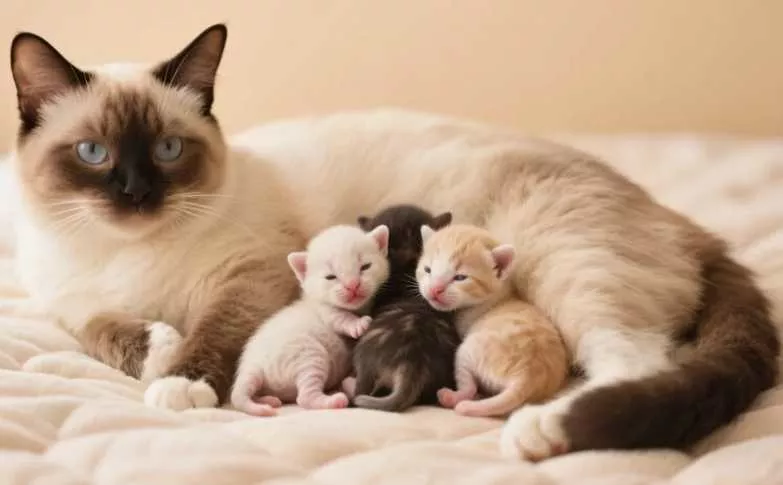
Supplement Needs by Different Age Stages
Kittens (0-6 months)
Rapid growth and development; high demand for calcium, phosphorus, and protein.
Supplement recommendations:
- Vitamin and mineral complexes (support bone and teeth development)
- Probiotics (help gut adapt during weaning)
- DHA + fish oil (support brain and vision development)
Adult cats (1-7 years)
Maintain health and prevent chronic diseases.
Supplement recommendations:
- Omega-3 fatty acids (promote coat health)
- Antioxidants (Vitamin E, selenium; slow cell aging)
- Probiotics (maintain gut and digestive health)
Senior cats (7+ years)
Changes in senior cats are not just about age, but declining immunity. Common issues:
- Joint degeneration
- Muscle loss
- Decreased digestive ability
- Kidney stress
Supplement recommendations:
- Joint protection: Chondroitin, glucosamine
- Digestive health: Probiotics, fiber
- Cardiovascular and kidney support: Specific B vitamins and Omega-3
Supplement Needs for Cats in Special Situations
Cats after surgery or injury
Surgery suddenly raises metabolic demands; needs accelerated recovery and immune support.
Supplement recommendations:
- Protein and amino acid supplements (e.g., collagen)
- Multi-vitamins and minerals
- Probiotics (help with medication digestion and post-stress gut health) Goal: Reduce inflammation and promote tissue repair.
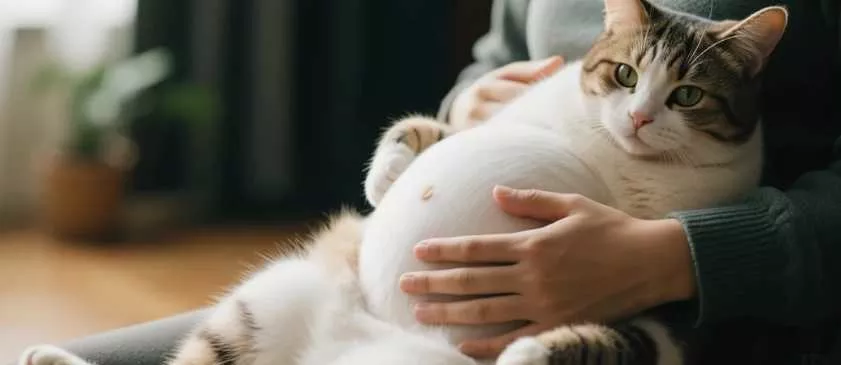
Pregnant or nursing cats
Mother cats bear their own metabolism plus fetal development; nutritional demands increase significantly.
Supplement recommendations:
- Calcium and phosphorus (prevent eclampsia)
- Omega-3 fatty acids (promote fetal brain and vision development)
- Complex vitamins (ensure balanced nutrition for mother and kittens)
Cats with poor digestion or picky eating
Prone to gastrointestinal issues and nutritional deficiencies.
Supplement recommendations:
- Probiotics and enzymes (improve digestion and absorption)
- B vitamins (support metabolism)
Do different cat breeds have different supplement needs?
Breed does not determine necessity, but it influences risk directions.
| Breed | Common concerns |
|---|---|
| British Shorthair | Obesity, joints |
| Ragdoll | Sensitive stomach |
| Maine Coon | Skeletal support |
| Persian | Coat, tear stains |
| Sphynx | Skin barrier |
| Siamese | Metabolic sensitivity |
Principle: Supplement according to the problem, not the breed.
Common Supplement Types and Uses
| Supplement Type | Main Function | Suitable Cats |
|---|---|---|
| Probiotics | Improve gut flora, enhance digestion | All stages, especially digestive issue cats and post-surgery cats |
| Chondroitin/Glucosamine | Support joint health, slow arthritis | Senior cats, large breeds, high-activity cats |
| Vitamins (A, D, E, B complex) | Immunity, coat, metabolic support | Kittens, pregnant cats, seniors, picky eaters |
| Omega-3 Fatty Acids (fish oil) | Improve coat, anti-inflammatory | All cats, especially those with skin issues |
| Lecithin | Promote liver metabolism, improve fat absorption | Cats with heavy liver load, obese cats |
| Protein/Amino Acid Supplements | Repair tissue, promote growth | Kittens, injured or post-surgery cats |
| Fiber/Intestinal regulators | Improve constipation, hairball issues | Long-haired cats, senior cats |
Precautions for Using Supplements
- Use appropriate amounts: Excess can cause toxicity or kidney burden
- Combine with diet: Meet basic nutrition through balanced cat food as much as possible
- Choose professional products: Cats differ from dogs; select cat-specific supplements
- Consult vet for cats with special diseases: e.g., kidney disease, diabetes
- Pay attention to dosage form and taste: Soft chews, powders, liquids suit different cats’ acceptance levels
Conclusion
There is no single answer for whether cats need supplements. It must be judged comprehensively based on breed, age, health status, living environment, and eating habits.
- Ordinary healthy cats: Generally no need for extra supplements, but preventive use of Omega-3, probiotics, and joint support can be considered
- Kittens, pregnant cats, senior cats, post-surgery recovery cats: Appropriate targeted nutrients and supplements help with health and recovery
- Cats with special health issues: Use supplements under veterinary guidance
Reasonable use of supplements can keep cats energetic, with shiny coats and healthy joints, while reducing disease risk. Most importantly, supplements are an aid to diet, not a replacement.